Cost Analysis Assists Restore And Stimulate Healthy And Balanced Skin, Hair, Teeth, Nails, Joints, Digestion
@beaujthd646
September 23, 2026 · 5 min read
For How Long Do Peptides Last In Powder Form: The Total Lyophilized Security Guide
Store reconstituted retatrutide on a middle or back rack, not in the door. The door experiences temperature level fluctuations every single time the fridge opens up, which can push the vial outside the secure 36-46 ° F array . A back rack position preserves one of the most consistent temperature within the 2-8 ° C variety and minimizes thermal stress and anxiety on the peptide. Retatrutide, like other injectable peptide biologics in the GLP-1 class (including double and three-way agonists), is sensitive to both UV light and visible light. Photodegradation, the malfunction of molecular frameworks by light energy, can cleave peptide bonds gradually. This is why pharmaceutical manufacturers store biologics in amber-colored vials or dark packaging.
Usage water-proof labels or markers, since condensation in the refrigerator can smear normal ink. The fridge door is the worst location for any type of temperature-sensitive compound. Every opening develops a temperature level swing of a number of levels. Throughout a day, with several openings, the door temperature level can vary in between 4C and 12C or greater. Those changes speed up every destruction pathway. Relocate your peptides to the middle shelf, near the back.
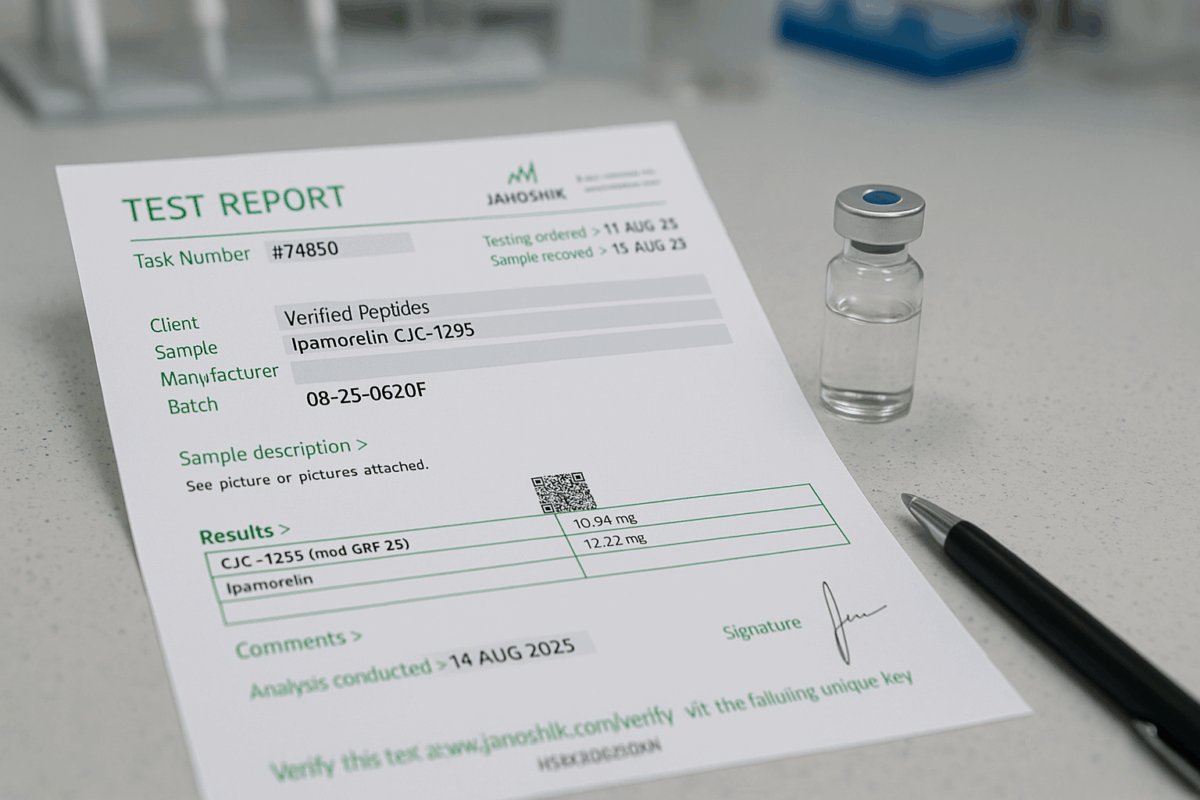
Saving Specific Peptides After Reconstitution
Also in lyophilized type, peptides can gradually oxidize when saved in air-filled vials over extended periods. Microbial growth slows down drastically under refrigeration. Microorganisms and fungi that might contaminate reconstituted peptide solutions expand slowly or not in all at fridge temperatures. This microbial suppression enhances the chemical stability advantages of cold storage. Unreconstituted (lyophilized) retatrutide can be saved iced up at -20 ° C or listed below for long-lasting storage. This is the common suggestion for vials you do not prepare to make use of within 3-6 months.
- The research study area should have much better information than vague suggestions to store cool and wish for the very best.
- Furthermore, utilizing moisture-absorbing agents such as silica gel in storage containers can guard versus humidity.
- Get rid of any type of desiccant packages from the outer product packaging prior to freezing; they are designed for fridge problems, not long-lasting freezer storage.
When using a copper peptide product, always apply it prior to your moisturizer. Consider your skin like a sponge; it's ready to absorb all the benefits from the product when it's related to tidy, slightly moist skin. For people worried concerning just how to utilize copper peptides for hair growth, the application is usually to the scalp.
Copper Peptides And Specialty Substances
Person peptides vary based upon their amino acid sequence, and some are even more delicate than others. Peptides including methionine, cysteine, tryptophan, or asparagine deposits often tend to deteriorate quicker in solution. If your peptide calculator shows you are collaborating with a specifically sensitive substance, err on Combination Peptide the side of colder storage and much shorter shelf-life assumptions. The average scientist sheds in between 30% and 50% of reconstituted peptide effectiveness via incorrect storage space alone. That is the reality of peptide chemistry conference real-world handling errors.
Research-grade semaglutide reconstituted in bacteriostatic water normally follows the conventional 28-to-30-day guideline. Space temperature level, normally 20 to 25C (68 to 77F), is hostile to reconstituted peptides. At these temperatures, degradation paths accelerate significantly. Bacterial development, also in bacteriostatic water, rises. The basic consensus amongst researchers is that reconstituted peptides ought to not remain at area temperature level for more than a couple of hours at the majority of. Climatic oxygen drives oxidation of sensitive amino acid deposits.Lyophilized peptides last even longer when kept in a desiccator at -20 ° C to -80 ° C, with stability varying from 3 months to 5 years. For lasting conservation, freeze them at -20 ° C or -80 ° C to expand their life span. Peptide reconstitution is the procedure of transforming lyophilised peptide powder back into a solution. Appropriate handling preserves integrity and reproducibility in Tissue Research research. Balanced pressure assists guarantee precise application and minimizes resistance when attracting peptide solutions.
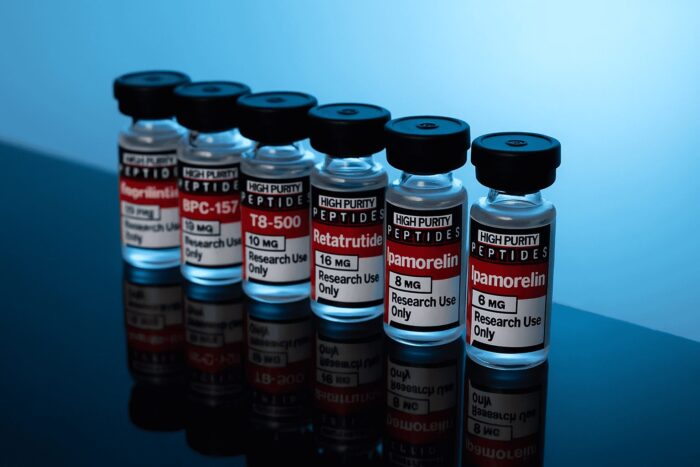
Does Lyophilized Retatrutide Powder Require To Be Cooled?
Standard refrigeration expands peptide stability substantially. Most lyophilized peptides stay practical for one to 2 years at 4 degrees, though some researchers report longer timeframes for durable series. Lyophilized peptides can survive at area temperature level for numerous weeks without significant degradation. This makes them extremely robust for delivery and temporary handling. The majority of reliable vendors ship peptides at ambient temperature level particularly because the lyophilized type can endure the trip.
Enhancing these conditions takes full advantage of the storage space period your peptides achieve. Cagrilintide dosing timetables ought to make up the security account of all peptides in the protocol. By complying with the advised standards on storage space, temperature, and setting, you can confidently manage and protect the integrity of your peptides. When cooled at under 4 ° C, their service life includes 1-2 years. Do you still have concerns about peptide storage and handling? No problem-- allow's address some of the most common ones listed below. Icy powder at -20 C can stay viable for two to 5 years or longer. The freeze-drying process eliminates water, and without water, the chemical reactions that damage down peptide bonds basically quit. Ultimately, lyophilized peptides have to be reconstituted for usage. This shift considerably alters stability features and requires readjusted storage practices. Divide peptides right into single-use parts so you never need to refreeze product after defrosting.